Exploring the hidden costs of frequent casino visits

The allure of casinos: Understanding the attraction
Casinos have long been a source of fascination, drawing millions of visitors each year with the promise of excitement, entertainment, and the potential for financial gain. The vibrant lights, the sounds of spinning reels, and the thrill of chance all combine to create an atmosphere that is intoxicating to many. This allure can lead individuals to visit neosurf casino more frequently than they originally intended, lured by the possibility of winning big or simply enjoying a night out with friends.
However, the excitement often overshadows the realities of gambling, particularly the hidden costs associated with frequent visits. While some may view their trips to the casino as mere entertainment, these outings can quickly escalate into a financial burden. The initial thrill may be accompanied by an underestimation of how much one might spend on games, food, drinks, and even transportation, which leads to a more profound impact on personal finances than anticipated.
Moreover, the social aspect of casino visits can further contribute to this allure. People often go with friends or family, and the collective experience of gambling can create a sense of camaraderie that feels rewarding. However, this social pressure can sometimes compel individuals to spend more than they planned, as they may feel obligated to keep up with their peers, leading to a cycle of escalating expenses that can be hard to break.
The direct financial costs of gambling
When examining the financial implications of frequent casino visits, the most apparent costs arise from the gambling itself. Each time a player sits down at a slot machine or a card table, they are putting money at stake. While many enjoy the thrill of the game, it is crucial to recognize that the odds are typically stacked in favor of the casino. Therefore, the likelihood of losing money over time is significant, and for some, it can become an overwhelming pattern leading to serious financial strain.
In addition to the direct costs associated with betting, players often overlook the expenses that accompany their time spent in casinos. For instance, many establishments offer complementary drinks and meals to keep patrons playing, but these amenities are often factored into the overall expense of operating the casino. Patrons may find themselves spending more on these extras than they would in a regular dining setting, further increasing the financial toll of their frequent visits.
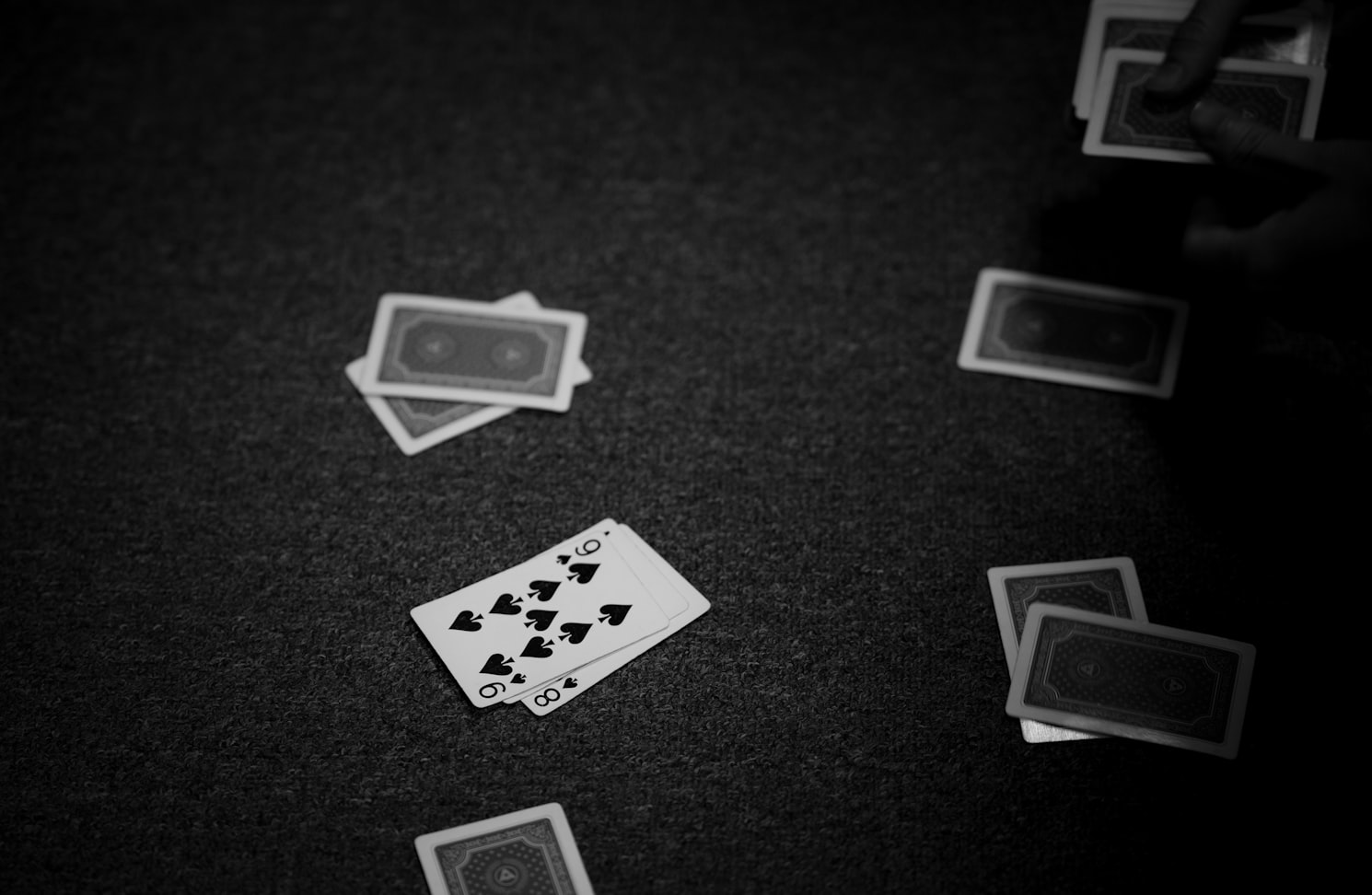
The consequences can escalate quickly, as individuals may also feel compelled to chase losses. This gambling behavior can lead to increasingly risky betting patterns, where players attempt to recoup their losses by betting larger amounts. This cycle not only erodes their initial bankroll but can also push them into debt as they attempt to recover their financial standing, creating a precarious situation that can have lasting repercussions.
The psychological costs of frequent casino visits
Beyond the direct financial costs, frequent visits to casinos can carry significant psychological burdens. Gambling can be an addictive behavior, and even casual players may find themselves developing an unhealthy relationship with gambling. The thrill of winning, combined with the despair of loss, can create a rollercoaster of emotions that takes a toll on mental well-being. For some, this emotional volatility can lead to anxiety, depression, and feelings of isolation.
The illusion of control plays a critical role in the psychological aspect of gambling. Many players believe they have strategies that can influence the outcome of games, causing them to lose sight of the random nature of most casino games. This mindset can lead to reckless gambling behaviors and heightened emotional responses when not winning, often causing stress and affecting personal relationships. The disconnect from reality can be profound, as players may find themselves prioritizing gambling over other important areas of their lives.
Additionally, the culture surrounding casinos can contribute to feelings of shame and secrecy, particularly when individuals begin to realize the extent of their gambling habits. Those who suffer from gambling addiction may hide their behaviors from family and friends, leading to further emotional turmoil, and a sense of loneliness. This psychological cost is often overlooked, but it plays a considerable role in the overall impact of frequent casino visits on an individual’s life.
The ripple effect on relationships and lifestyle
The impact of frequent casino visits often extends beyond the individual, affecting relationships with friends, family, and partners. As an individual becomes more engrossed in the casino lifestyle, they might begin to prioritize gambling over social activities or family obligations. This shift can alienate loved ones, leading to strained relationships that may be difficult to mend. The feelings of betrayal or neglect felt by family members can create deep emotional wounds, further complicating the individual’s relationship with gambling.

Furthermore, frequent casino visits can significantly alter one’s lifestyle. The time that could be spent on productive activities, such as pursuing hobbies, advancing a career, or maintaining a healthy lifestyle, can be consumed by hours spent in front of slot machines or at poker tables. This displacement can lead to a decline in overall quality of life, with individuals neglecting personal development and well-being for the fleeting excitement of gambling.
Ultimately, the ripple effect of casino visits can permeate various aspects of life. Financial struggles can compromise long-term goals, such as home ownership or retirement planning, while the social isolation that can accompany excessive gambling may lead to a sense of dissatisfaction with one’s life. It’s essential for individuals to consider how their gambling habits can shape not only their own lives but also the lives of those around them.
Finding balance and seeking help
Recognizing the hidden costs of frequent casino visits is the first step toward finding a healthier approach to gambling. For many, setting clear limits on time and money spent at casinos can help establish boundaries that protect mental well-being and financial security. Engaging in alternative forms of entertainment that do not involve gambling can also foster connections with others while promoting a more balanced lifestyle. By exploring hobbies or activities that offer joy without the associated risks, individuals can foster a fulfilling life outside of the casino.
For those struggling with the psychological or financial impacts of gambling, seeking help is crucial. There are numerous resources available, including support groups and counseling services that specialize in gambling addiction. These programs can provide vital support and guidance, helping individuals break free from the cycle of gambling and rebuild their lives. Reaching out for help can feel daunting, but it is a necessary step toward recovery and reclaiming control over one’s life.
Ultimately, the key to balancing casino enjoyment with responsible behavior lies in awareness. Understanding the potential consequences of frequent visits can serve as a guiding principle for maintaining both financial health and personal relationships. By embracing a mindful approach to gambling, individuals can enjoy the thrill of the casino while mitigating its hidden costs.